
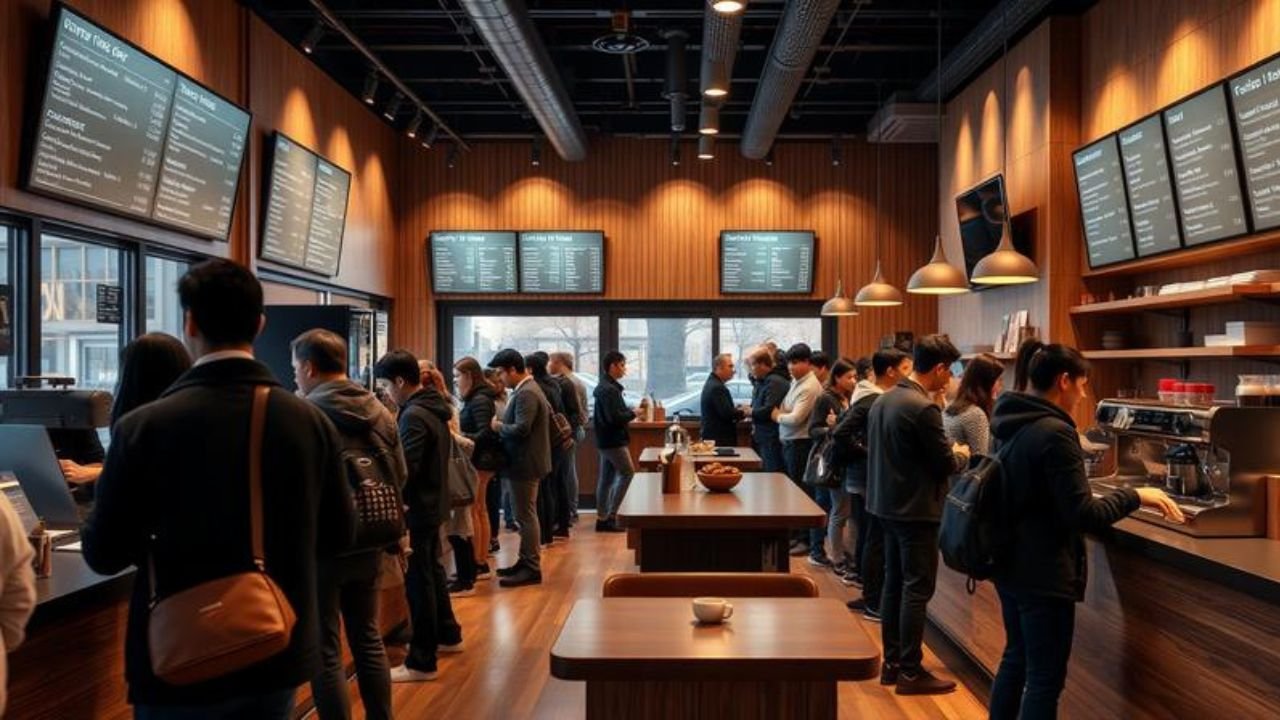
In a challenging economic environment, where Customer Experience is under pressure and competition is intense, retail brands are being forced to rethink how they operate, Operational, innovate, and connect with customers. Recent performance updates from a leading global coffee retailer reveal how a renewed focus on operations, customer experience, and product innovation can reignite growth—even in a mature market.
This turnaround is not the result of one single change. Instead, it reflects a combination of faster service, better in-store experiences, smarter product innovation, and a deeper emotional connection with customers.
The Foundation: Getting Operations Right Again
One of the most important drivers of recent growth has been a renewed commitment to operational excellence. For years, long wait times and inconsistent service had quietly eroded customer satisfaction. The company responded by rebuilding its service model from the ground up.
At the heart of this shift is a structured customer service program designed to empower frontline workers. The goal is simple: give employees the tools, staffing, and time they need to do their jobs well. Clear operating standards, better scheduling, and improved workflows have allowed staff to focus on craftsmanship and genuine human connection rather than rushing through transactions.
The impact has been measurable. Average wait times inside stores have dropped from over six minutes during peak hours to under four minutes. Drive-thru service times have also improved significantly, and mobile order pickup has become more accurate and reliable.
ALSO READ: Silver Price Analysis: Extreme Volatility, Key Support Levels, and What Traders Should Expect Next
Why Faster Service Translates Into Higher Sales
Improved service speed does more than reduce frustration. It directly influences customer behavior. Shorter lines encourage repeat visits, increase transaction volume, and reduce abandonment during busy periods.
When customers feel confident that they can get in and out quickly, they are more likely to stop by during peak hours. This has helped drive stronger same-store sales and higher transaction counts, particularly in the United States.
Operational discipline, once seen as unglamorous, has become a competitive advantage.
Rebuilding Emotional Connection Through Culture
Beyond efficiency, the company has worked to restore its cultural relevance. Rather than chasing short-term trends, leadership has focused on reconnecting with the brand’s core identity.
Playful limited-time merchandise, nostalgic design elements, and menu items that feel familiar yet modern have helped re-establish emotional ties with customers. These initiatives are not about nostalgia for its own sake—they are about reconnecting with the essence of what made the brand resonate in the first place.
By leaning into authenticity instead of gimmicks, the brand has found new ways to attract both loyal customers and new visitors.
Product Innovation That Fits Modern Lifestyles
Menu innovation has also played a critical role. New beverage options with higher protein content have appealed to a broader audience, including customers focused on fitness, wellness, and balanced nutrition.
These products have proven effective at attracting both loyalty program members and non-members, bringing more people into stores. Once inside, improved service and atmosphere encourage customers to stay longer and return more often.
Innovation, in this case, is not about complexity—it is about relevance.
Transforming the Physical Space Overnight
Another major change has been a rapid refresh of store interiors. Instead of long, disruptive remodeling projects, the company has adopted a fast, cost-efficient approach to upgrading stores—sometimes overnight.
The goal is to create warm, welcoming environments with comfortable seating and thoughtful design. Customers are encouraged not just to buy, but to stay.
This approach allows the brand to modernize thousands of locations without massive downtime or excessive costs, improving both customer perception and return on investment.
The Power of the “Third Place”
While convenience remains critical, leadership has not abandoned the idea of physical spaces as social environments. Even in a fast-paced world, people still value places where they can pause, reflect, or simply be around others.
Interestingly, data shows that a majority of customers still interact with store counters at least occasionally, even if they also use mobile ordering. This confirms that physical locations remain central to brand identity.
People may not linger every day—but when they do, they want the experience to feel meaningful rather than transactional.
ALSO READ: Crude Oil Today: Live Price, Support & Resistance, Trend Analysis 22/12/2025
Building a Stronger Afternoon Business
Historically, many coffee-focused retailers have seen sales dip sharply after the morning rush. Recognizing this, the company has identified the afternoon as a major growth opportunity.
Afternoons represent a different consumer mindset:
- Some customers want a protein boost before a workout
- Others want energy to push through the day
- Some simply want comfort or indulgence
By expanding food and beverage offerings tailored to these needs—such as wraps, energy drinks, specialty teas, and indulgent treats—the brand aims to create a second daily “peak” that rivals the morning rush.
Leadership estimates this opportunity could be worth billions over time.
Adapting to New Health and Nutrition Trends
Another major factor shaping innovation is the rise of appetite-regulating medications and health-focused eating habits. As more consumers shift toward smaller meals, higher protein intake, and frequent snacking, traditional menus must evolve.
Fortunately, beverage-centric businesses are well positioned to adapt. Protein-forward drinks, fiber-rich snacks, and balanced portions fit naturally into this trend without requiring complex kitchen operations.
By aligning innovation with real behavioral shifts, the company avoids chasing fads and instead builds sustainable relevance.
Leadership Under Public Scrutiny
Leading a globally recognized consumer brand brings intense visibility—and sometimes unexpected challenges. With scale comes scrutiny, and with scrutiny comes pressure.
Despite this, leadership emphasizes optimism and focus. Strong internal teams, clear priorities, and personal discipline have helped maintain momentum during a demanding turnaround period.
Physical health, routine, and resilience are framed as essential tools for navigating high-pressure leadership roles in today’s environment.
Why This Turnaround Matters
This transformation offers broader lessons for retail and food service brands:
- Operational excellence is not optional
- Customer experience drives financial performance
- Physical spaces still matter in a digital world
- Product innovation must reflect real consumer behavior
- Culture and authenticity cannot be faked
Rather than relying on one dramatic change, success has come from aligning multiple small improvements around a clear strategy.
The Bigger Picture
What we are witnessing is not just a business rebound, but a reminder that brands win when they respect both efficiency and humanity. Faster service brings people in—but meaningful experiences bring them back.
In an era where consumers can choose convenience anywhere, the brands that thrive will be those that combine speed, warmth, and relevance into a single experience.
READ ALSO: MCX Gold Support & Resistance Today | Live Price & Trend Analysis

Hi, I am the creator of MrTellMare.com—a passionate Stock Market learner and Technical Analysis enthusiast. My goal is to help traders understand Price Action, Market Structure, and Intraday Strategies in a simple and practical way. I share educational content on Equity, Index, Futures, Commodity and Crypto markets for informational and learning purposes only. I believe trading is a skill, and with the right knowledge and discipline, anyone can grow in financial markets.