MR. TellMare

Commodity

About Commodity

Welcome to our Commodity Trading educational page, designed for traders who want to understand how commodities work, how global supply & demand affects prices, and how futures and intraday opportunities are created in energy, metal and agricultural markets. Commodity market is one of the oldest trading markets in the world and still remains one of the most profitable and high-volatility segments for modern traders.

Commodity prices move based on demand, supply, production data, global economic cycles, geopolitical events, dollar index, international trade and natural resources availability. Because of strong volatility and institutional participation, commodities create powerful directional trends and opportunities across multiple timeframes.
What is Commodity Trading?

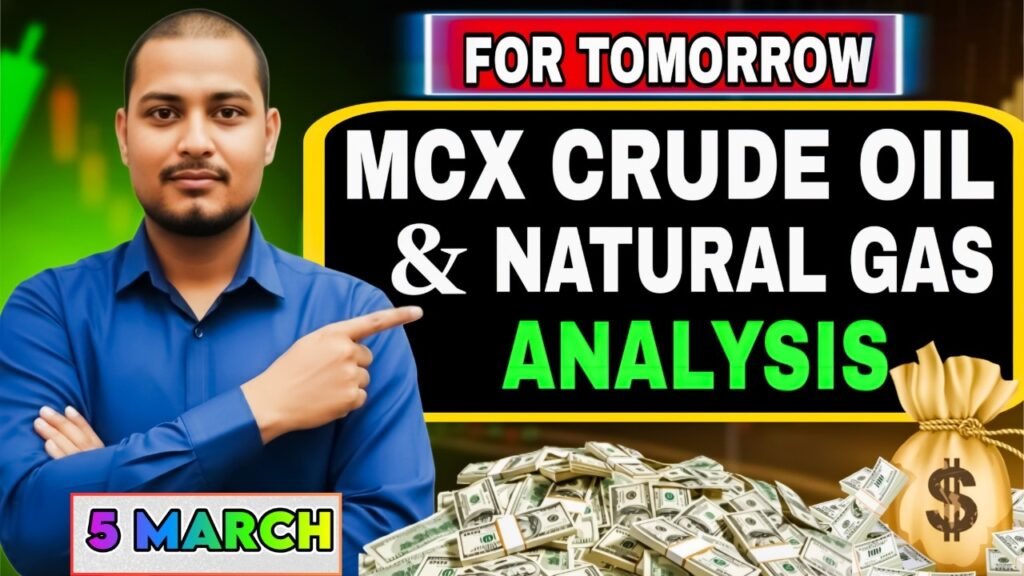
Commodity trading is the buying and selling of natural resources like Gold, Silver, Crude Oil, Natural Gas, Copper, and Agricultural products. Unlike stock trading where you invest in a company, here you trade real-world physical assets that are important for the global economy.

Commodities are divided into multiple categories:

  • Metals

  • Energy

  • Agriculture

  • Soft commodities

Each category reacts differently to global market conditions.

Types of Commodities

1️⃣ Precious Metals

Includes:

  • Gold

  • Silver

Prices depend on inflation, currency value and global uncertainty.

2️⃣ Energy

Includes:

  • Crude Oil

  • Natural Gas

Price reacts to production, consumption and geopolitical tension.

3️⃣ Base Metals

Includes:

  • Copper

  • Zinc

  • Aluminum

  • Nickel

Prices depend on industrial demand and manufacturing data.

4️⃣ Agriculture

Includes:

  • Wheat

  • Corn

  • Soybean

  • Sugar

  • Cotton

Prices depend on climate, supply chains and government policy.

Commodity Futures

Most traders do commodity trading through Futures Contracts which allow leverage-based trading without taking physical delivery.

Advantages:

  • Leverage

  • High profit potential

  • No ownership required

  • Two-side trading

  • Fast movement

  • High liquidity in major commodities

Professional traders prefer futures due to volatility and trend opportunities.

Commodity Trading Exchanges

Commodity trading takes place on:

  • MCX (India)

  • NCDEX (India)

  • CME

  • NYMEX

  • LME

MCX (Multi Commodity Exchange) is the most active commodity market in India.

Why Commodity Trading is Popular

Because commodities offer:

  • High volatility

  • Institutional movement

  • Global influence

  • Long trends

  • Daily opportunities

  • Clear price behaviour

Commodities are influenced by global supply chain, therefore volatility stays consistent.

How Commodity Prices Move

Commodity price movement depends on:

  • demand

  • supply

  • scarcity

  • production rate

  • global trade

  • geopolitical news

  • natural climate

  • banking policies

  • dollar index

  • inflation

  • oil politics

Risk in Commodity Trading

Commodity trading requires discipline because volatility is aggressive.
Important risk controls:

  • Strict Stop loss

  • Small position size

  • Avoid revenge trading

  • Avoid news trading

  • Control emotions

  • No over leverage

Commodity traders must focus on discipline first and profit later.

Technical Analysis in Commodities

Common tools used:

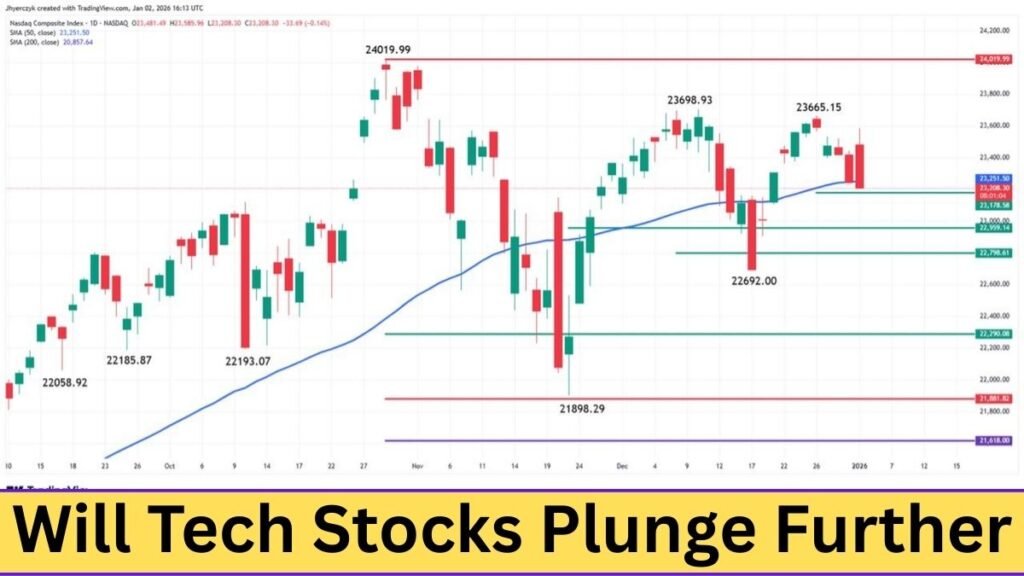
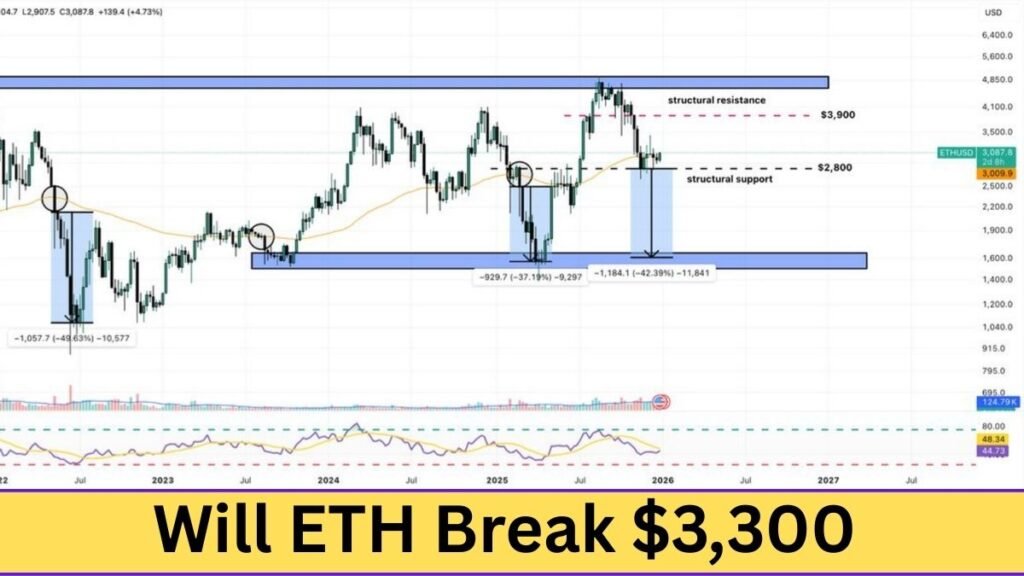
  • Support and Resistance

  • Price action

  • Trendlines

  • Supply & Demand zones

  • Volume analysis

  • Moving averages

  • RSI

  • MACD

  • Market structure

  • Breakout strategy

Commodity charts respect technical levels strongly due to institutional orders.

Commodity Intraday Trading

Commodity intraday is extremely popular due to strong trends and active movement. Most traders focus on:

  • Gold intraday

  • Silver intraday

  • Crude oil

  • Natural gas

These instruments move aggressively and create multiple entry opportunities during volatile sessions.

Global Market Influence

Commodity price reacts to:

  • US market

  • European market

  • Middle East tensions

  • USD Index

  • OPEC decisions

  • Russia-Ukraine politics

  • Inflation reports

Commodity traders must follow global news carefully.

Fundamental Factors

Key economic indicators:

  • CPI inflation

  • Interest rates

  • PPI

  • FOMC decisions

  • Manufacturing data

  • Storage report

  • Inventory report

Fundamentals drive long term direction while technicals guide entries and exits.

Beginners Guide

Beginners should

  1. learn basics

  2. practice demo

  3. understand volatility

  4. learn price action

  5. backtest strategy

  6. follow risk management

  7. avoid big lots

  8. start with major commodities only

Frequently Asked Questions

Q: Can we trade commodities with small capital?
Yes through margin based futures contracts.

Q: Which commodity is best for beginners?
Gold and Crude Oil are most traded but require discipline.

Q: Is commodity trading risky?
Risk depends on knowledge and discipline.

Disclaimer

This Commodity Trading page is only for educational purpose. We do not provide any trading tips, investment advice, buy or sell recommendations. All trades are subject to market risk and must be done based on personal understanding and research.