FUTURES
About Futures
Welcome to our Futures Trading educational page, created specially for traders who want to learn how Futures work and how professional traders analyse and execute trades using derivatives contracts. Futures trading is a major segment of financial markets and provides powerful opportunities in different asset classes such as Stocks, Index, Commodity, and Currency.
Futures market is fast, dynamic and completely based on price expectation, momentum and market direction. If you understand price action, risk management and technical structure, futures trading becomes one of the most profitable segments of the market for intraday traders as well as positional traders.

⭐ What is Futures Trading?
Futures trading is a contract-based derivative instrument where two parties agree to buy or sell an underlying asset at a predefined price at a future date.
Here:
the asset can be stock, index, commodity, metal, oil, crypto or currency.
you do not take delivery
you only trade direction
Example:
If price is expected to rise → Buy Future
If price is expected to fall → Sell Future
Profit is made when price moves in your direction.
⭐ Advantages of Futures Trading
Futures provide different advantages compared to normal stock trading such as:
Margin-based trading
Leverage benefit
Short selling possible
High liquidity
2-side trading opportunity
Hedging capability
Large move profits
Professional traders prefer futures because movement is powerful and directional.
Types of Futures
You can trade futures in multiple segments:
Index Futures
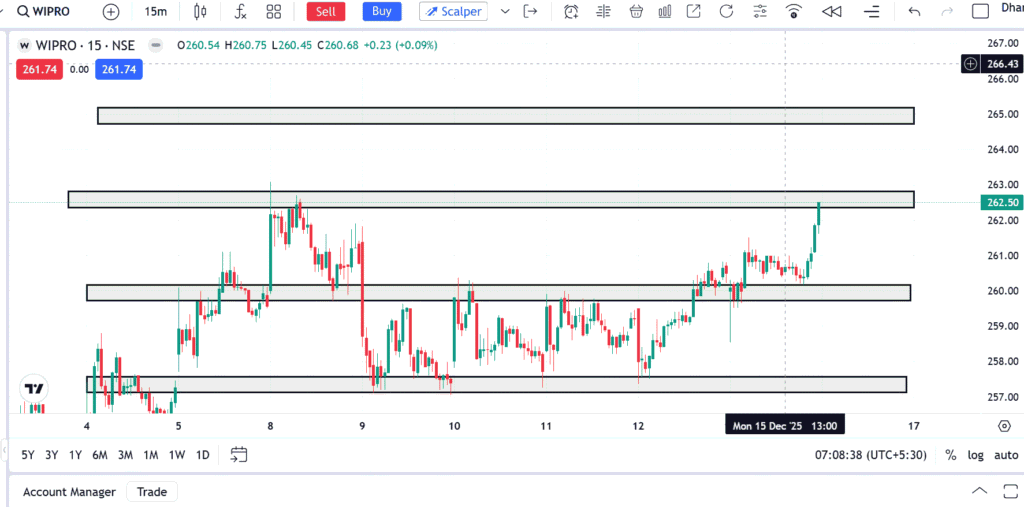
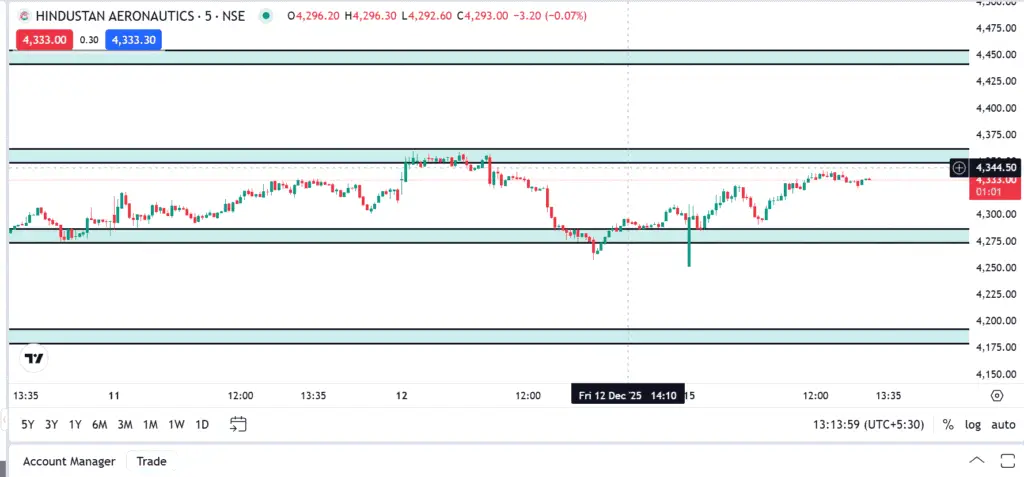
Stock Futures
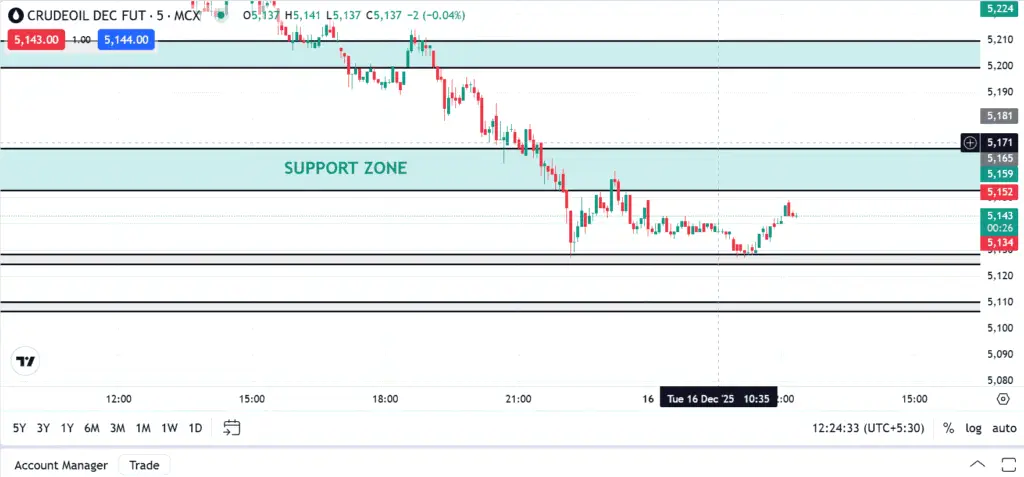
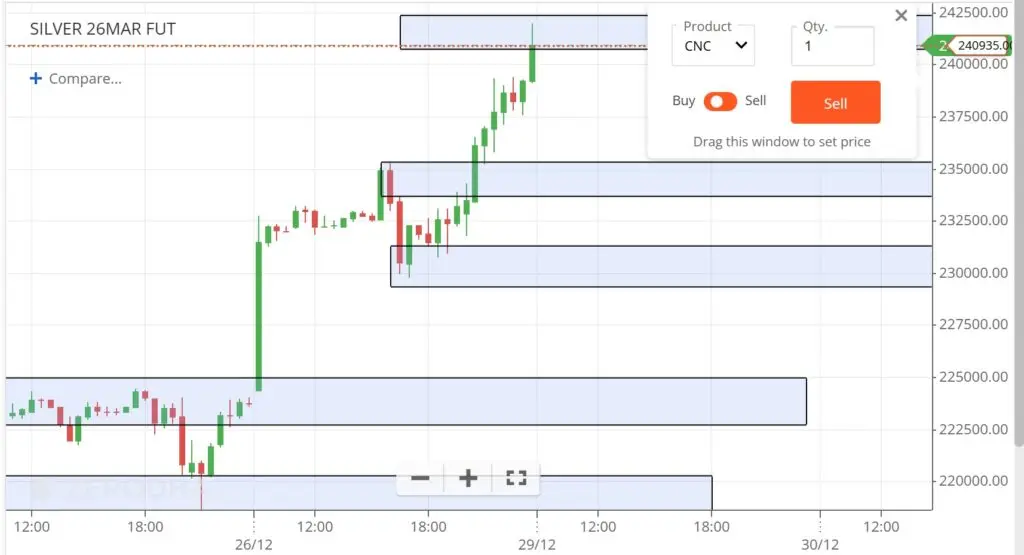
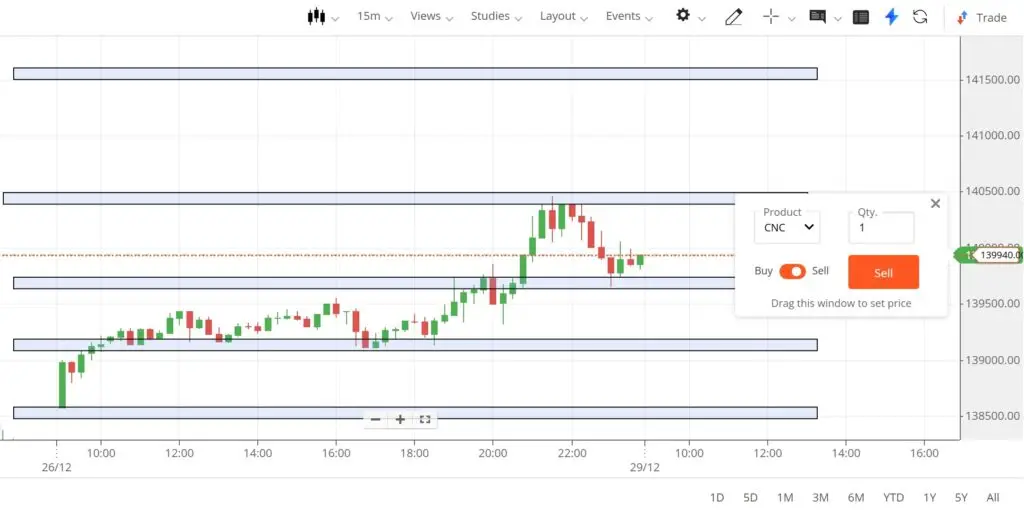
Commodity Futures
Energy Futures
Forex Futures
Crypto Futures
Different markets provide different volatility and trading style.
Stock Futures
Stock futures allow directional trading on individual companies without delivery.
Example:
Reliance Futures
HDFC Bank Futures
TCS Futures
Movement depends on company news, earnings, sector performance and global sentiment.
⭐ Commodity Futures
Commodity Futures include:
Gold
Silver
Crude Oil
Natural Gas
Metals
Agricultural commodities
Movement depends on global demand, dollar index, supply chain and production.
Margin in Futures
Futures trading requires margin which is a small amount of capital needed by exchange to execute trades with leverage.
Margin allows you to control large positions with minimum amount.
Example:
Instead of paying 5 Lakh full value, you can trade with 1 lakh margin.
Futures Trading Strategies
Professional traders use strategies such as:
Trend following
Breakout trading
Momentum entry
Pullback setups
Volatility breakout
Reversal zones
VWAP trading
Opening range and market sentiment
Strategy selection depends on volatility and time frame.
Technical Analysis in Futures
Futures market follows:
Market structure
Price action
Breakouts
Trendlines
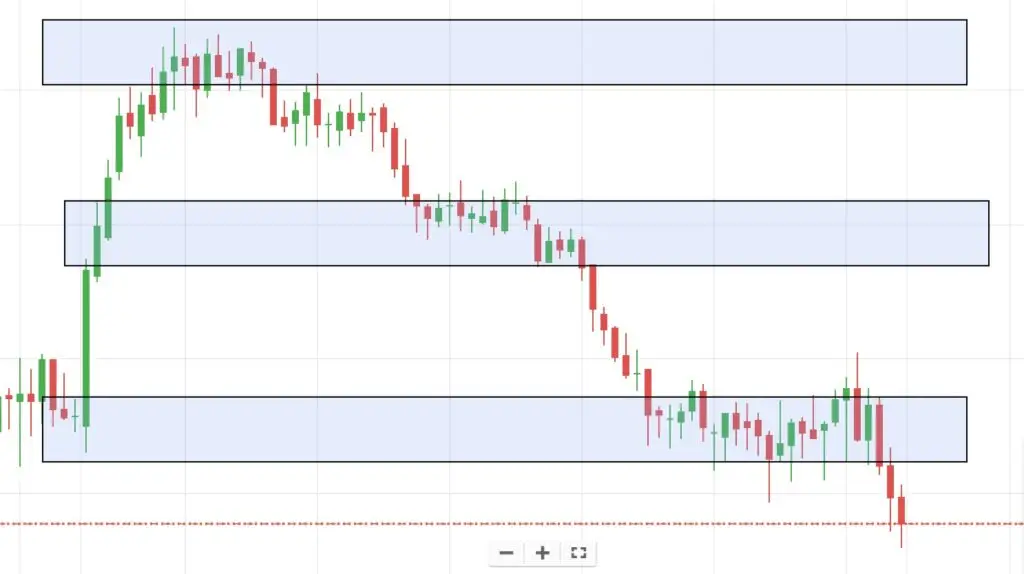
Support & Resistance
Supply demand
Moving averages
Fibonacci
RSI
VWAP
Traders use multi-timeframe analysis to understand direction and momentum.
Why beginners prefer Futures?
Because:
fast movement
profit in rising & falling market
no delivery
single contract focus
high liquidity
clean price movement
Risk in Futures Trading
Futures trading is profitable only with risk management:
Stop Loss is compulsory
Avoid emotional trading
Maintain position sizing
Don’t over leverage
Avoid revenge trading
Control emotions
Trade with discipline
Hedge with Futures
Futures are also used for hedging portfolio risk.
Investors use futures to protect capital during market fall.
Who Should Trade Futures?
Futures suitable for:
intraday traders
swing traders
hedgers
positional traders
technical analysts
price-action traders
experienced traders
Beginners should learn first, trade later.
Futures vs Options
Futures = unlimited profit + unlimited risk
Options = limited risk (if buying)
Futures require discipline and strict risk control.
Important Disclaimer
This futures trading page is only for educational purpose. We do not provide buy/sell signals, tips or investment advisory. Trading decisions are totally your responsibility. Learn properly before risking capital.
FAQ – Futures Trading
Q: Can beginners trade futures?
Yes, but only after complete education and risk management.
Q: Futures profitable or risky?
Both—depends on knowledge and discipline.
Q: Can we trade futures with low capital?
Yes using margin, but use safe position sizing.